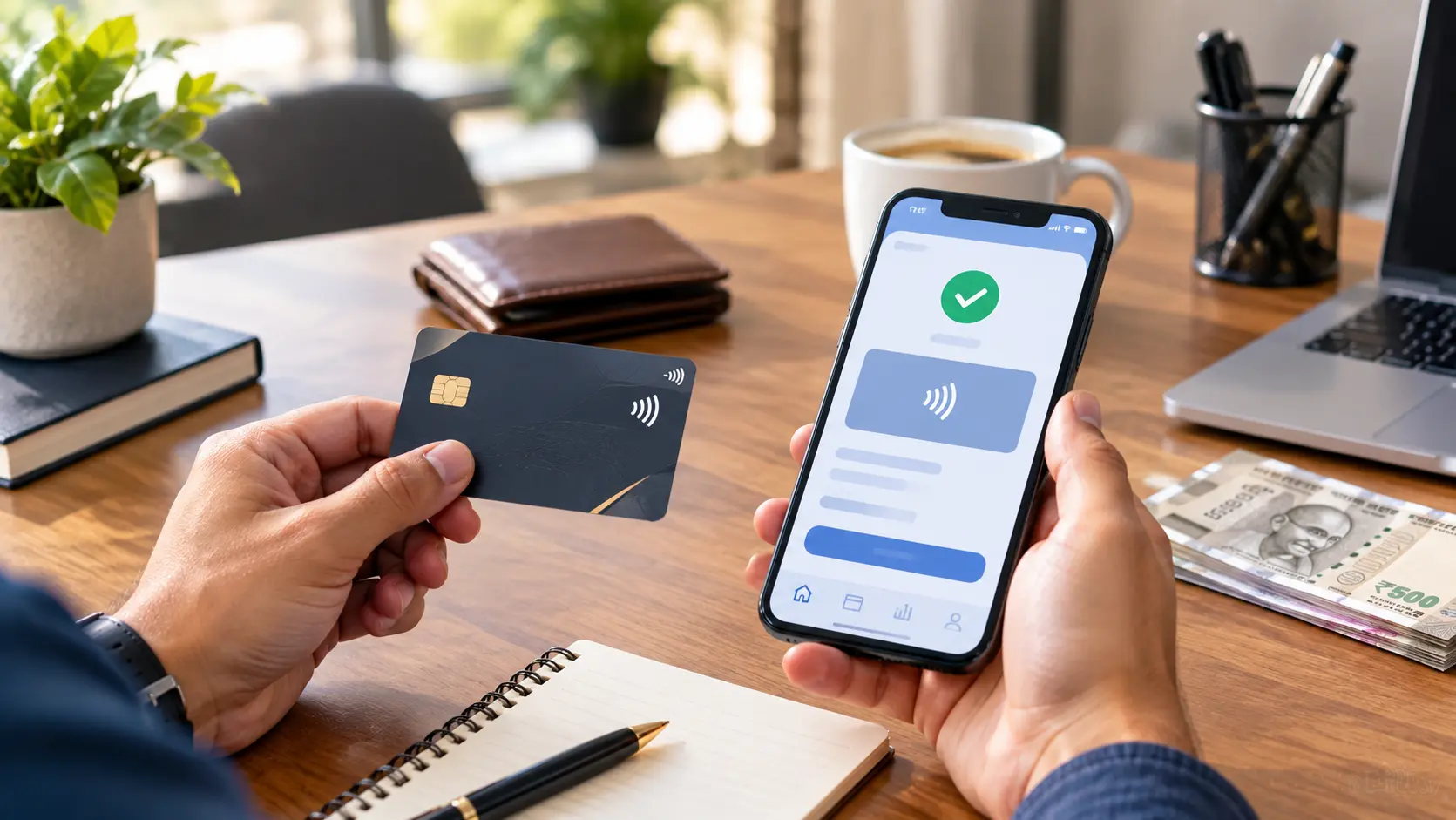
Quick answer: Lifetime free credit cards charge zero annual or renewal fees for as long as the account stays active, unlike cards that only waive fees for the first year. The best options in 2026 typically fall into five categories — cashback, online shopping, fuel savings, dining and entertainment, and fuss-free entry-level cards. Choosing the right one depends on your monthly spending pattern, not just the absence of a fee.
More Indian consumers are turning to lifetime free credit cards as a way to build credit history and earn rewards without worrying about a recurring bill eating into their savings. With banks competing harder than ever for new customers, the lifetime free segment has grown from a niche offering into one of the most competitive categories in the credit card market.
Picking the wrong card, even a free one, can still cost you. Missed reward categories, low cashback caps, or a card that doesn’t match your spending habits can mean leaving thousands of rupees in unclaimed value on the table every year. The difference between a card that fits your lifestyle and one that doesn’t often comes down to a handful of features: reward categories, redemption flexibility, and eligibility requirements.
This guide breaks down what lifetime free credit cards actually are, the types worth considering in 2026, how to compare them side by side, and the mistakes that quietly cost cardholders money.
What Are Lifetime Free Credit Cards?
A lifetime free credit card is a card that never charges an annual or renewal fee, regardless of how long you hold it or how much you spend each year. This is different from cards that offer a “first-year free” promotion, where the annual fee is waived initially but kicks in from the second year onward — often as a fixed charge or one contingent on hitting an annual spending threshold.
Lifetime free cards appeal to budget-conscious Indian consumers for a simple reason: they remove the ongoing cost of holding a card entirely. This makes them a low-risk way to:
- Build or improve a credit score without a recurring expense
- Earn rewards or cashback on everyday spending
- Maintain a backup card for emergencies without fee anxiety
- Start building a credit history for first-time cardholders, including students and young professionals
The tradeoff is that lifetime free cards sometimes offer fewer premium perks — such as airport lounge access or elevated reward multipliers — compared to fee-based cards. For most everyday spenders, though, the absence of a fee more than compensates for the lighter feature set.
Types of Lifetime Free Credit Cards Worth Considering in 2026
Rather than naming specific bank products (issuer terms, fees, and reward structures change frequently and should always be verified directly with the bank before applying), it’s more useful to understand the categories of lifetime free cards available and who each one suits best.
Cashback Cards
Cashback-focused lifetime free cards return a flat or tiered percentage of your spending as statement credit or direct cashback. These work well for people who want simplicity — no reward points to track or redeem, just money back.
Ideal user profile: Anyone who prefers straightforward value over complex rewards programs, especially those making frequent small purchases like groceries or utility payments.
Online Shopping Cards
Many banks partner with e-commerce platforms to offer accelerated rewards or cashback on online purchases through co-branded lifetime free cards. These often include welcome vouchers and periodic discount events tied to major shopping platforms.
Ideal user profile: Frequent online shoppers who concentrate spending on one or two major e-commerce platforms.
Fuel Cards
Fuel-focused lifetime free cards offer a fuel surcharge waiver and reward points on fuel purchases at partner petrol stations. Over a year, the surcharge waiver alone can offset a meaningful amount for anyone who drives regularly.
Ideal user profile: Daily commuters and vehicle owners with consistent fuel expenses.
Dining and Entertainment Cards
These cards offer discounts or reward multipliers on dining, movie tickets, and entertainment bookings, sometimes bundled with partner app subscriptions.
Ideal user profile: Urban professionals and young spenders who eat out frequently or spend on entertainment subscriptions.
Entry-Level and Student Cards
Designed for first-time credit card users, these lifetime free cards typically have relaxed eligibility criteria, lower credit limits, and simplified reward structures. Some are secured against a fixed deposit, making them accessible even without a formal income proof.
Ideal user profile: Students, first jobbers, or anyone building credit history from scratch.
Comparison Framework: What to Evaluate Side by Side
Since exact terms vary by bank and change periodically, use the following framework to compare any lifetime free credit cards you’re considering:
| Factor | What to Check |
|---|---|
| Reward category | Which spending categories earn the highest rewards or cashback |
| Redemption flexibility | Whether rewards convert easily to cash, statement credit, or vouchers |
| Cashback/reward cap | Monthly or category-wise limits on how much you can earn |
| Fuel surcharge waiver | Whether it applies at all fuel stations or select partners only |
| Welcome benefits | Sign-up vouchers, bonus points, or introductory offers |
| Eligibility criteria | Minimum income, credit score, and documentation required |
| Foreign transaction markup | Relevant if you spend internationally, since this varies by issuer |
Before applying, pull the current terms directly from each bank’s website or ask a representative for the latest fee and rewards structure, since lifetime free offers are occasionally revised or discontinued.
How to Choose the Right Lifetime Free Card for Your Needs
Consider your spending patterns first. A card’s reward structure only pays off if it matches where you actually spend. Someone who mostly shops online won’t benefit much from a fuel-focused card, no matter how generous its surcharge waiver is.
Match benefits to your primary use case. If your goal is building a credit score with minimal complexity, a straightforward cashback card is often the better choice over a rewards card with complicated redemption rules. Choose a cashback card if simplicity matters more to you than maximizing category-specific rewards; choose a category-specific card (fuel, dining, shopping) if your spending is concentrated enough to make the higher multiplier worthwhile.
Evaluate perks beyond the zero annual fee. Look at insurance coverage, EMI conversion options, and customer service quality — features that don’t show up in headline offers but affect your day-to-day experience with the card.
Eligibility and Application Process
While specific requirements vary by bank, most lifetime free credit card applications in India follow a similar pattern:
Common eligibility criteria:
- Minimum age of 18 (some cards require 21 for primary applicants)
- Minimum monthly or annual income threshold, which varies by card tier
- A satisfactory credit score, typically 700 or above for unsecured cards
- Valid KYC documents: PAN card, Aadhaar card, and proof of income or bank statements
Step-by-step application process:
- Compare cards based on your spending category and eligibility fit
- Check your credit score beforehand using a free credit bureau report
- Apply online through the bank’s website or app, or in person at a branch
- Upload KYC documents and income proof as requested
- Wait for the bank’s verification and approval process
- Receive your card, typically within 7 to 15 working days after approval, depending on the issuer and your location
Secured cards, backed by a fixed deposit, generally have faster approval timelines since they carry lower risk for the bank.
Tips to Maximize Benefits from a Lifetime Free Card
Spend strategically within reward categories. Concentrate discretionary spending — like online shopping or dining — on the card that rewards that category most, rather than spreading purchases evenly across multiple cards.
Make full use of welcome bonuses. Many lifetime free cards offer sign-up vouchers or bonus reward points if you hit a spending threshold within the first 30 to 90 days. Plan a planned purchase, like paying a utility bill or making a scheduled purchase, to meet this threshold without overspending.
Consider holding multiple cards for complementary categories. A cashback card for daily expenses paired with a fuel card for commuting can cover more ground than a single all-purpose card, as long as you can manage multiple due dates responsibly.
Common Mistakes to Avoid
Not tracking spending caps. Many cashback and reward cards cap how much you can earn per month or per category. Spending beyond that cap earns nothing extra, so it pays to know your card’s limits before relying on it for large purchases.
Ignoring supplementary card benefits. Add-on cards for family members sometimes come with their own reward structures or insurance coverage. Overlooking these means missing out on value you’re already entitled to.
Missing promotional offers due to lack of awareness. Banks frequently run limited-time offers — bonus cashback events, partner discounts, or fee waivers on related products — that aren’t always advertised prominently. Checking your bank’s app or offers page periodically can surface benefits you’d otherwise miss.
Choosing Your Lifetime Free Credit Card
Lifetime free credit cards remove one of the biggest ongoing costs of card ownership, but the right choice still depends on matching a card’s reward structure to your actual spending habits. A frequent online shopper benefits most from an e-commerce-focused card, a daily commuter from a fuel card, and someone building credit for the first time from a straightforward entry-level option.
Before applying, compare current offers directly on bank websites, since fees, reward rates, and eligibility criteria change periodically. Once you’ve identified the category that fits your spending the best, apply for the card that matches — and start putting your everyday spending to work.
Frequently Asked Questions
Are lifetime free credit cards really free forever?
Yes. A genuine lifetime free credit card charges no annual or renewal fee for as long as the account remains open, unlike first-year-free cards that begin charging from the second year.
Do lifetime free cards have lower reward rates than paid cards?
Often, yes. Premium fee-based cards sometimes offer higher reward multipliers or exclusive perks like airport lounge access. Lifetime free cards typically focus on simpler, everyday value like cashback or category-specific rewards.
What credit score do I need for a lifetime free credit card?
Most unsecured lifetime free cards require a credit score of 700 or above, though secured cards backed by a fixed deposit often have more flexible requirements.
Can students get a lifetime free credit card in India?
Yes. Several banks offer entry-level or secured lifetime free cards designed specifically for students and first-time credit users, often with relaxed income requirements.
How long does it take to get approved for a lifetime free card?
Approval timelines vary by bank, but most applications are processed within a few business days, with physical card delivery typically taking 7 to 15 working days after approval.